From: Atlantic Council by Taras Kuzio
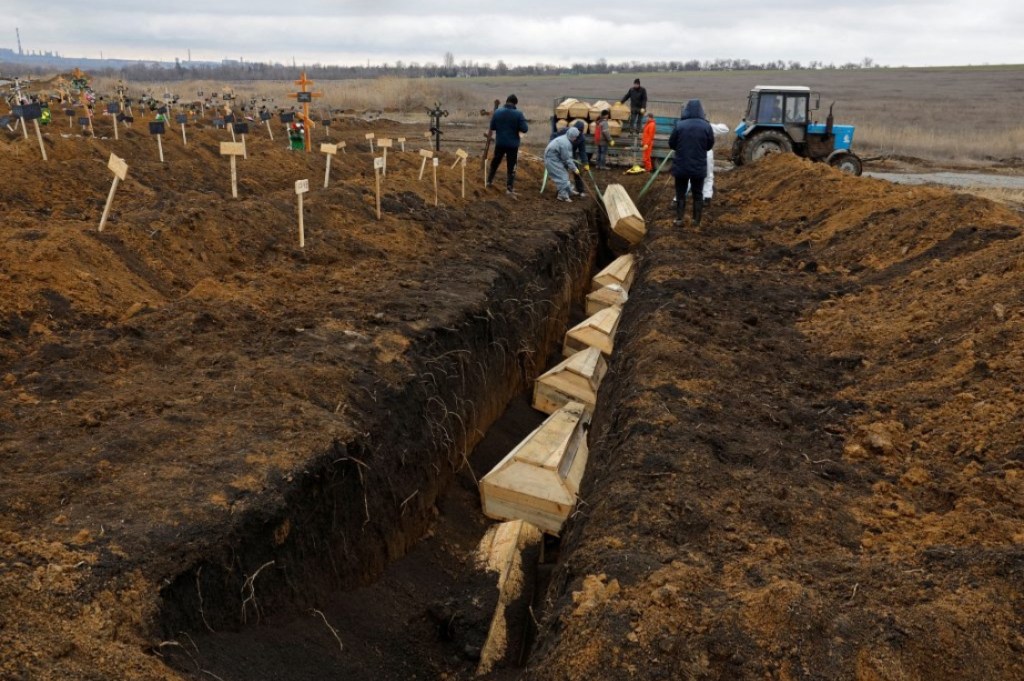
As the year draws to a close, there is a growing sense of Ukraine fatigue in Western capitals amid pessimistic forecasts, talk of a battlefield stalemate, and recriminations over the perceived failure of Ukraine’s counteroffensive. This grim mood is raising serious questions about the future of military aid to Ukraine and the prospects for continued Western support into 2024 and beyond.
Meanwhile, Vladimir Putin is looking more confident than ever. This week, he was in particularly messianic mood as he addressed the World Russian People’s Council. Ukrainians and Belarusians are not independent but are in fact part of the “great Russian nation,” he declared. According to Putin, these two nations have been artificially divided from Russia by the “separatist illusions” of the 1991 Soviet collapse.
Putin’s casual denial of Ukraine’s right to exist is a timely reminder of exactly what is at stake in the current war. The Kremlin dictator is clearly not a rational statesman pursuing limited political goals or seeking a negotiated settlement; he is an all-powerful autocrat who genuinely believes he is on a sacred historic mission. That mission includes the destruction of the Ukrainian nation.
 Voice of Ukraine