From: Atlantic Council By Michael Bociurkiw
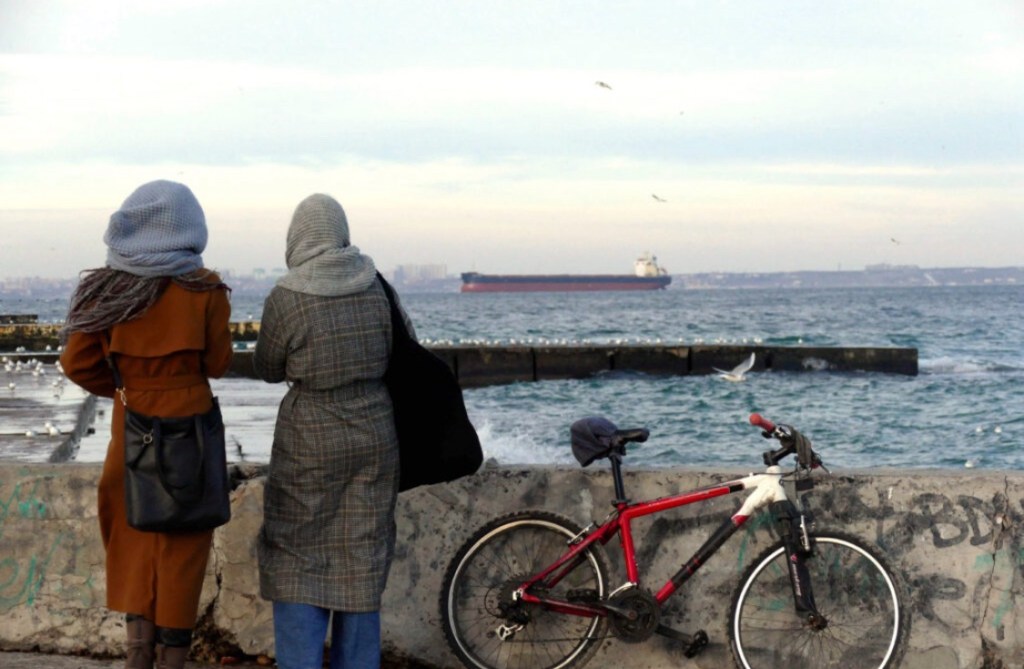
Living in an active war zone over an extended period of time can play odd tricks on the mind. A calm moment in the park can be suddenly overtaken by visions of the previous evening’s air strikes. Roller coaster-like mood swings become commonplace and loud bangs ignite the urge to flee.
This is very much the case in Ukrainian Black Sea port city Odesa, where Russian bombardments have become part of daily life. With each new air raid alert, people check social media channels to assess the projected trajectory of incoming Russian drones and missiles. This is usually followed by a frenzied exchange of texts with friends and neighbors to determine whether a dash for the nearest bomb shelter is necessary.
During the initial phases of the war, this grand port city known as an international symbol of intercultural unity and a treasure trove of cultural sites remained relatively untouched from Russian aggression, to the point that it became a temporary home to tens of thousands of internally displaced Ukrainians. A huge banner in the city center reflects this status with the message: “You are not refugees, you are guests of Odesa.” At the city’s non-profit Mriya Family Center, volunteers provide free daycare and psychosocial sessions for children along with vocational training for displaced moms wishing to start new careers. However, escalating air attacks mean Odesa has now lost its status as a sanctuary away from the horrors of the Russian invasion.
 Voice of Ukraine