From: Atlantic Council By Maria Avdeeva
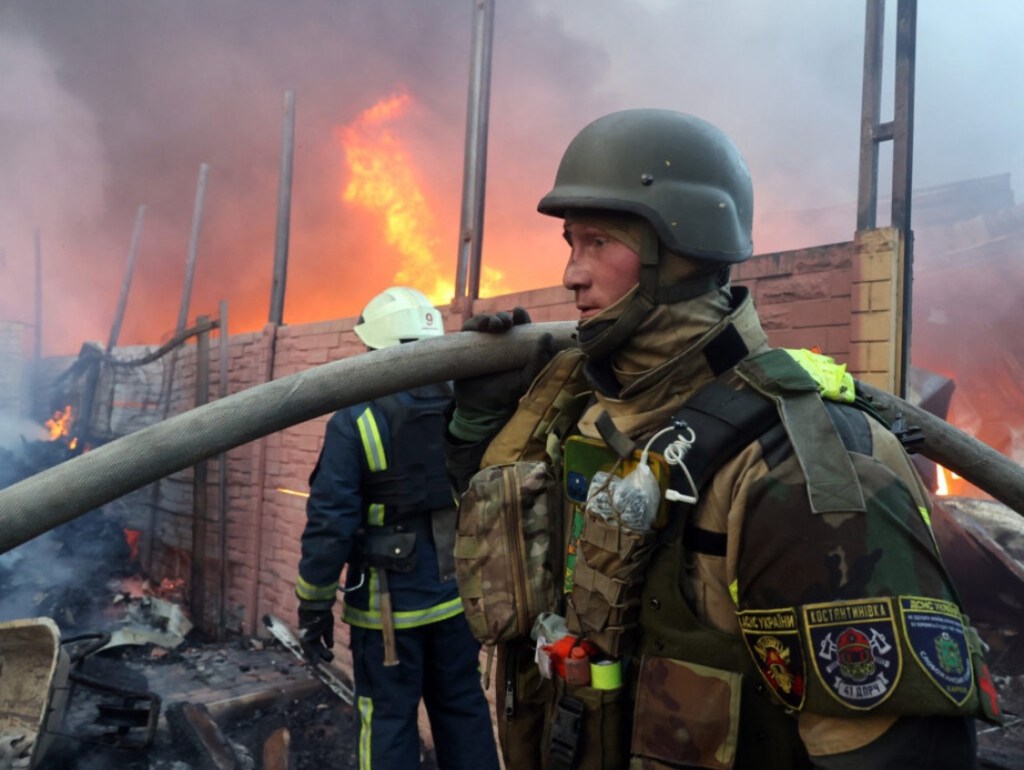
Everywhere you look in Kharkiv today, there is evidence of Russian bombing. After four months of relentless aerial attacks, Ukraine’s second city is dotted with ruined buildings, while boarded-up windows have become a ubiquitous feature of the urban landscape. A little over two years ago, this had been a vibrant city known for its many universities and robust industrial economy. It is now becoming the latest symbol of the human suffering inflicted by Russia’s invasion.
There are still plenty of reminders that Kharkiv remains home to over a million people. Freshly planted flowerbeds bloom in bright spring colors. Downtown traffic is still sometimes congested, with delivery boys on bikes and scooters weaving their way through jams of taxi drivers, private cars, and public transport. Supermarkets and many small businesses remain defiantly open, while municipal workers emerge to diligently clear up the mess after each new explosion. But there is no mistaking the menace of sudden death and destruction that now hangs over the city.
 Voice of Ukraine