The proliferation of open-source data online is creating new challenges for militaries trying to conceal their assets, as researchers use public satellites to pinpoint the radar signatures of Russian S-300 air defense batteries.
From: Euromaiden Press BY ADAM BARTLEY AND BY TOM SAXTON
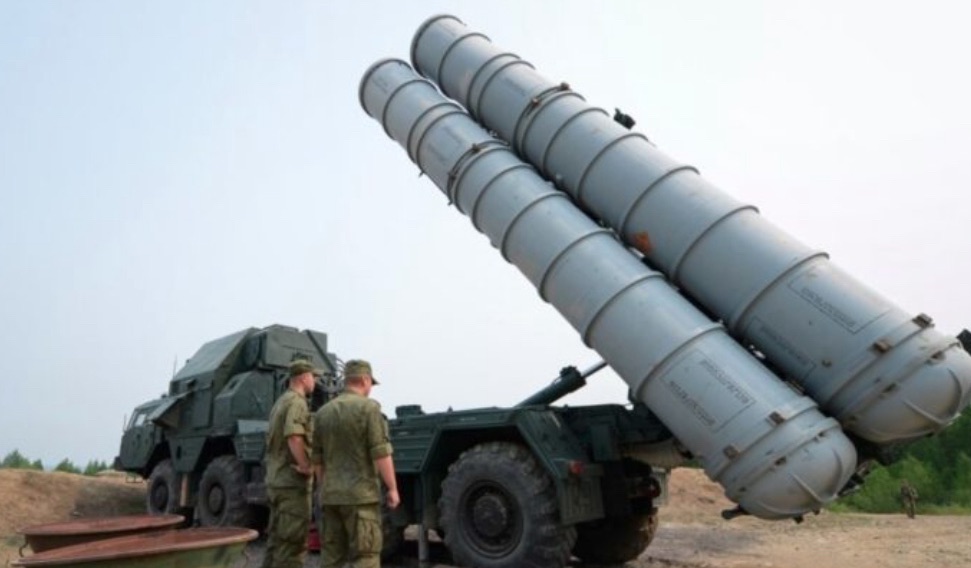
In the occupied far east of Ukraine, Russian forces are aiming waves of missiles against Ukrainian civilian targets. Each of Russia’s state-of-the-art missile launch systems costs more than $100 million. They allow Russia to launch attacks from safe positions many kilometers behind the front lines.
The S-300 surface-to-air missile launcher is designed to avoid detection. Their locations are closely guarded secrets. However, using publicly available satellite images, we have detected telltale signs of the operation of these weapons that give away their location.
This is just one example of why the strategic and tactical use of publicly available data on the internet has become an increasing source of concern for militaries. So-called “open-source intelligence” (or OSINT) has become a top priority of intelligence agencies worldwide.
As more and more data is digitised and placed online, open-source intelligence has become a powerful tool. Social media platforms, satellite images and leaked data can all be sources of intelligence information.
We have seen significant use of open-source intelligence via social media in the Ukraine conflict. The movements of soldiers and military vehicles have been widely documented. Russian information operations attempting to falsely portray Ukrainian forces as targeting civilians have also been exposed.
 Voice of Ukraine