OPINION: Red Thin Line – How to Play RussiaUkraine’s bold Kursk incursion not only demonstrated that the Kremlin’s threats are often bluffs but also allowed Ukraine to seize the narrative and respond to Russia in a language it understands.
From: Kyiv Post By Michał Kujawski
For years, Russia has employed an escalating language of force, creating faits accomplis, waging hybrid warfare against Poland, the Baltic states, and other countries on NATO’s eastern flank, and regularly engaging in nuclear blackmail. In contrast, much of the Western political class has acted in the opposite manner, opting for de-escalation. But is this approach effective?
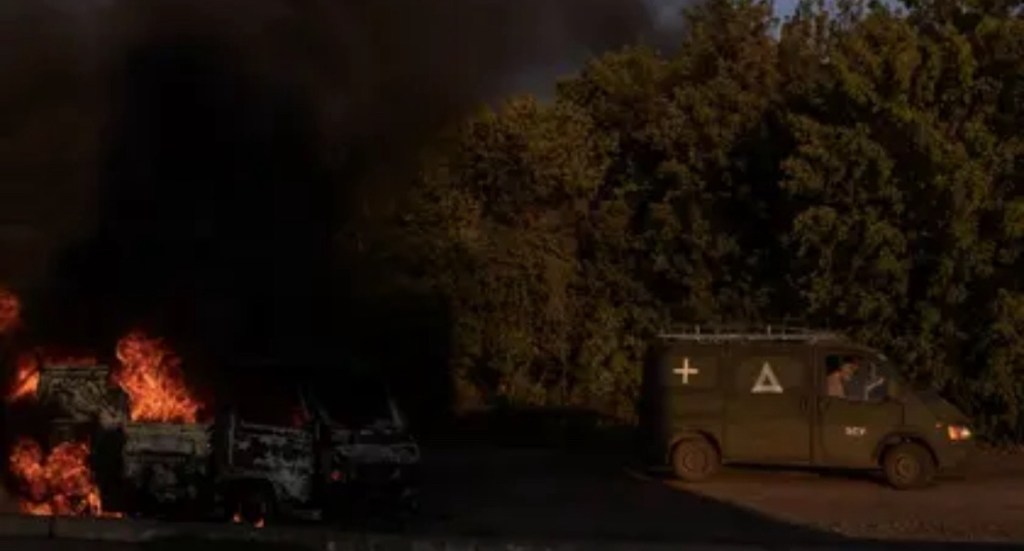
The fear of the “red lines” drawn by the Kremlin seems unwarranted at this point. Many of these lines have been crossed, most recently in a spectacular manner with Ukrainian forces entering Russian territory in the Kursk region.
This bold move by Kyiv not only demonstrated that the Kremlin’s threats are often bluffs but also allowed Ukraine to seize the narrative and respond to Russia in a language it understands.
The operation in the Kursk region has multiple dimensions – military, informational, and political. This unexpected incursion into Russian territory sent an important message to the Russian people. While it may not suddenly cause Russians to respect or sympathize with Ukrainians, it may lead them to doubt their own state.
Of course, the belief that “the tsar is good, the boyars are bad” still persists in Russia, but it’s important to remember that in the eyes of Russian society, the country can be led by a thief, a criminal, or a degenerate, but never by someone weak. Violence is pervasive in Russia, from cradle to grave, both symbolically and in every aspect of social life.
 Voice of Ukraine