From: Atlantic Council By Celeste Kmiotek
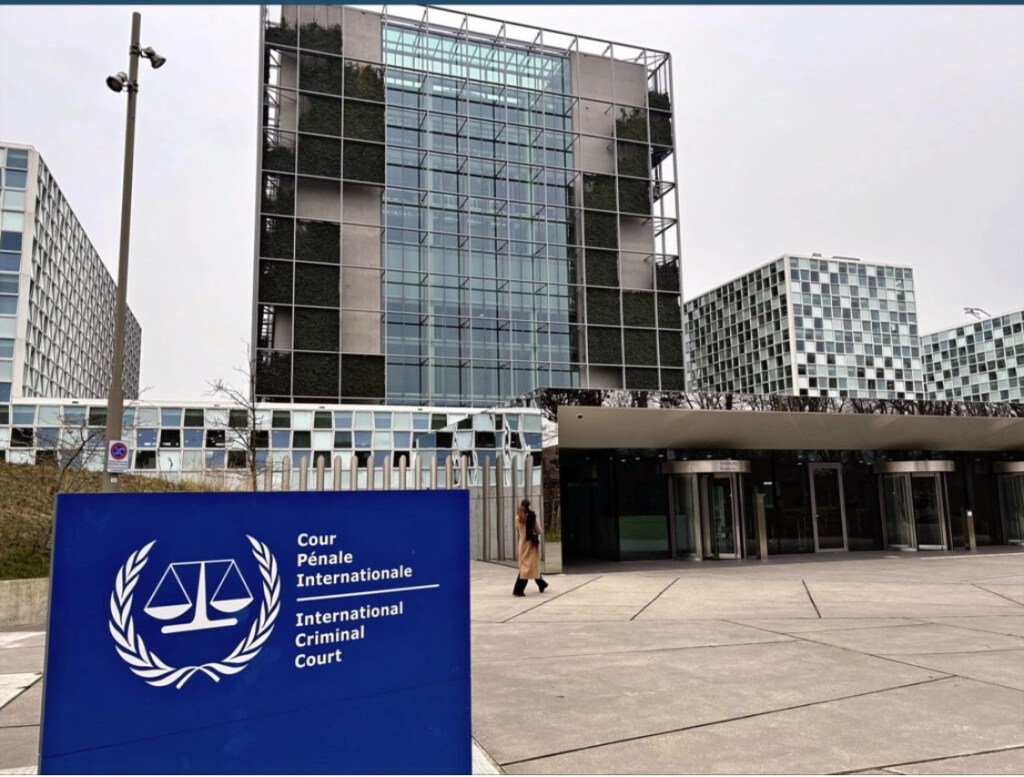
On August 15, Ukrainian President Volodymyr Zelenskyy submitted a bill to the Ukrainian parliament on ratification of the Rome Statute of the International Criminal Court (ICC), which would make Ukraine an ICC member state. Parliament duly ratified the bill on August 21, and President Zelenskyy signed it into law on August 24.
This is a positive step for accountability, and is in line with the Ukrainian government’s ongoing support for international justice efforts. Unfortunately, however, the news was marred by the Ukraine government’s reported invocationof a provision which would deny the ICC jurisdiction over war crimes committed by its nationals for seven years.
Ukraine signed the Rome Statute in 2000, but did not ratify it. In 2001, the Constitutional Court of Ukraine ruled on the constitutionality of ratifying the Rome Statute, finding that Article 124 of the Ukrainian Constitution prohibited “supplementing the judicial system of Ukraine” and therefore was incompatible with the Rome Statute. This Article was amended in 2016, removing what was considered “the final obstacle” to ratification. In August 2019, the Deputy Head of the President’s Office indicated that ratification was a priority. A draft law was submitted to the Office of the President in September 2019, but was later withdrawn.
Despite Ukraine not ratifying the Rome Statute, the ICC has limited jurisdiction over genocide, war crimes, and crimes against humanity (“core international crimes”) committed in Ukraine. Under Article 12(3) of the Rome Statute, states not party to it can lodge a declaration accepting the ICC’s jurisdiction. Ukraine has done so twice: In April 2014 for crimes committed on its territory between November 21, 2013, and February 22, 2014, and in September 2015 for crimes committed from February 20, 2014 onward.
The ICC therefore has jurisdiction for core international crimes committed on Ukrainian territory from November 21, 2013. In March 2022, the ICC Prosecutor requested and then opened an investigation into the Situation in Ukraine. This investigation covers the situation as a whole and therefore extends to all perpetrators regardless of nationality. The arrest warrants issued so far have exclusively been for Russian officials, but the Prosecutor could request arrest warrants for Ukrainians if there is sufficient evidence.
 Voice of Ukraine