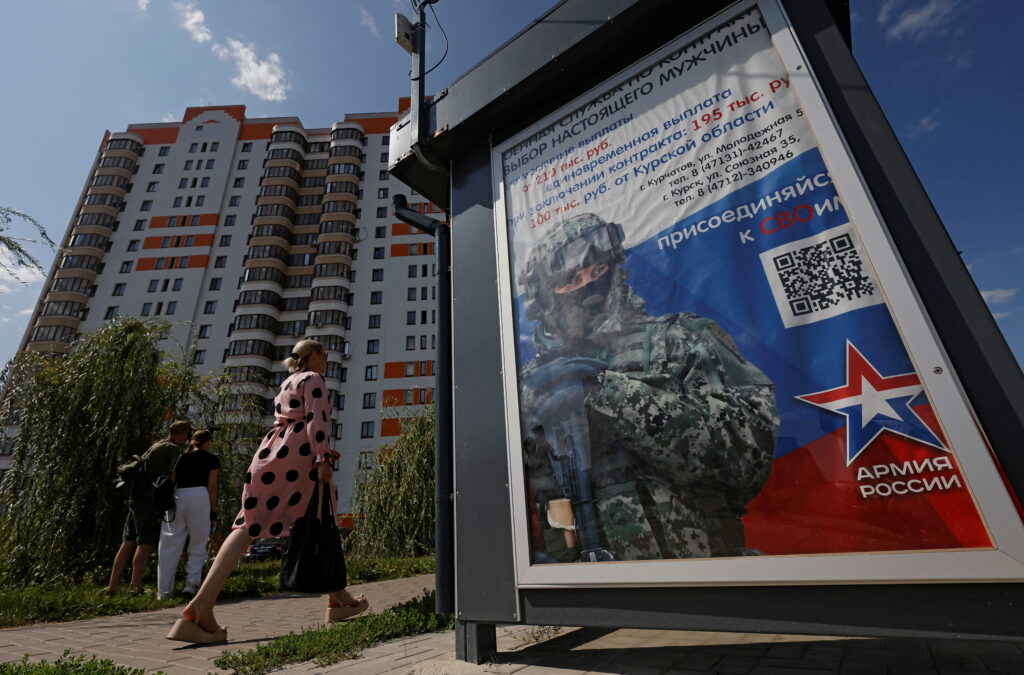
Russia’s Central Bank raised its key policy rate to 21 percent in late October as the Russian authorities struggle to manage a wartime economy that is in danger of overheating due to a combination of factors including rising inflation, sanctions pressure, and record defense sector spending. While Kremlin officials and many international analysts insist that the Russian economy remains in remarkably good shape, the country’s longer term economic outlook is becoming increasingly precarious.
Despite frequent predictions of impending economic meltdown, there is currently little sign that the Russian economy is in immediate danger. At the same time, the full-scale invasion of Ukraine appears to have placed Vladimir Putin in an unenviable economic position. If the war continues for an extended period and is accompanied by factors including increased sanctions, inefficient military leadership, and pervasive corruption, this could plunge Russia into a severe economic recession.
Ending the conflict also presents economic risks. Russia’s unprecedented military spending since 2022 has enriched elites and boosted domestic demand, overheating the economy. If the war ends, this fiscal stimulus will cease, potentially causing a significant drop in real incomes for much of the population. This could lead to heightened social tensions and undermine the stability of the ruling regime.
 Voice of Ukraine