From: Euromaiden Press BY BOHDAN BEN
Edited by: Michael Garrood
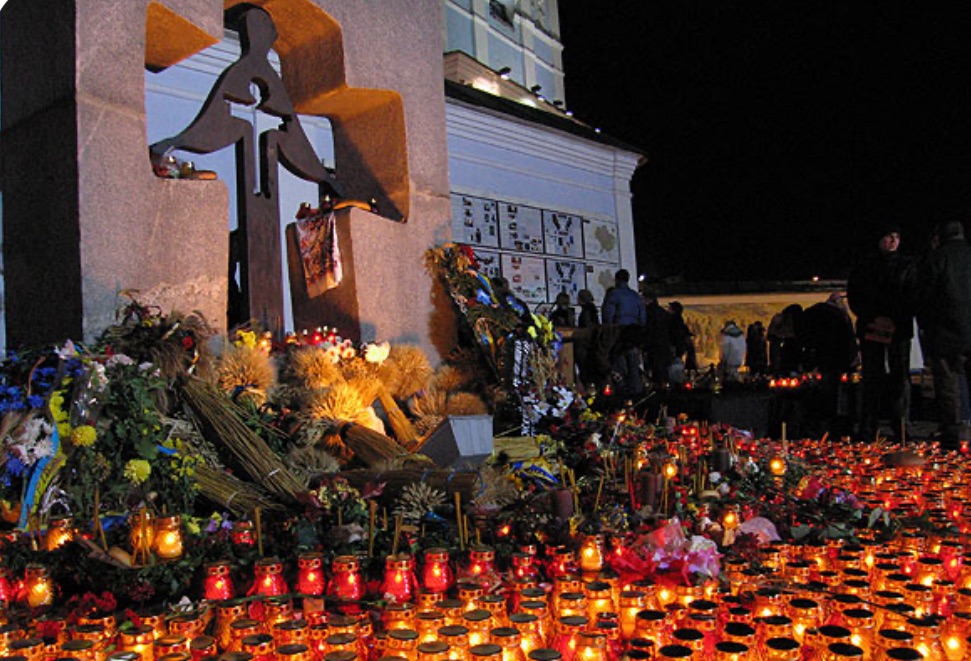
On 28 November 2020, Ukraine and the world commemorate the 86th anniversary of the Holodomor, the man-made famine in 1932-1933 in Ukraine that killed at least 3.9 million people.
That this horror for Ukrainian peasants was intentionally created by Stalin is commonly accepted. However, the political (and partly historical) debate whether Holodomor was a genocide of Ukrainians goes on. The reluctance of Germany in 2019 to approve a petition that demands the official recognition of Holodomor as genocide is the best example of this still continuing political struggle.
In this article we have already explained why Holodomor was not only a mass famine among Soviet peasants because of collectivization but was directed against ethnic Ukrainians specifically. Here are 18 countries that have officially recognized the Holodomor as genocide.
Yet, as the topic is researched more and more, new facts become available that not only prove further that Holodomor was genocide, but also amend the common narrative about unfortunate Ukrainian victims of Stalin’s madness.
In fact, Stalin did this because he feared Ukrainians and their movement towards wider autonomy. Around 5,000 peasant revolts against the Soviet policy of collectivization with more than 1 million involved took place in Ukraine just before the Holodomor.
 Voice of Ukraine