From: New Voice of Ukraine 🇺🇦 by Ulyana Kulikova (Marketing Specialist, Community Leader, and Advocate for Ukrainian Initiatives)
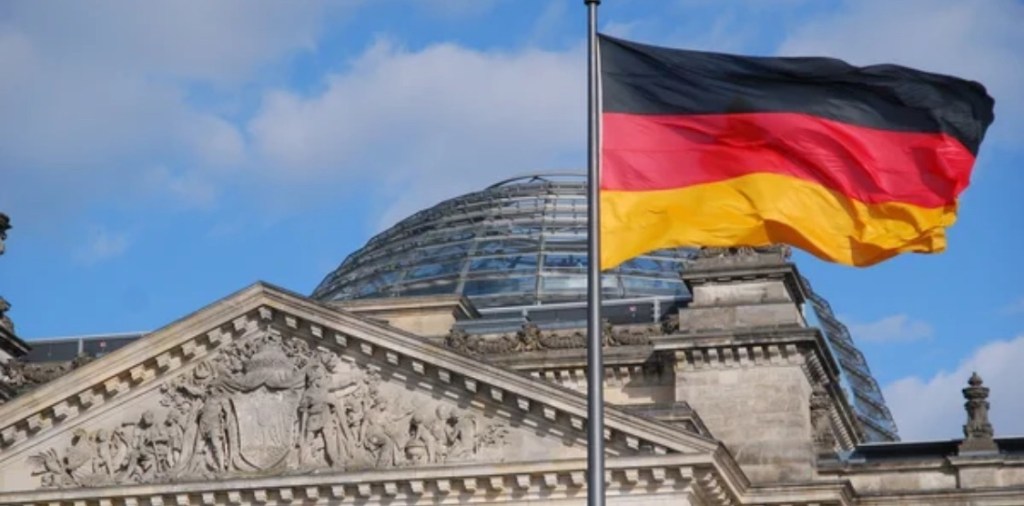
Germany, known for its political stability, is now experiencing a seismic political shift. Since reunification in 1990, the country has enjoyed 33 years of steady progress. During this time, power alternated between two dominant political forces: the Christian Democratic Union (CDU), led by Helmut Kohl and Angela Merkel, and the Social Democratic Party of Germany (SPD), headed by Gerhard Schröder and the current chancellor, Olaf Scholz.
But on Dec. 16, 2024, Germany faced a political earthquake. The Bundestag passed a vote of no confidence against Chancellor Scholz, resulting in the collapse of the coalition government made up of the SPD, the Greens, and the Free Democratic Party (FDP).
What happened?
The “traffic light” coalition (SPD, FDP, and Greens) fell apart over disagreements on economic policy and national debt. The FDP withdrew from the government, leaving Scholz without a parliamentary majority. This triggered the no-confidence vote and paved the way for early elections.
This crisis didn’t arise out of nowhere. Let’s break down the factors behind this dramatic turn of events:
- Lack of a charismatic leader: After Angela Merkel’s departure, German politics lost a unifying figure. Scholz proved competent but uninspiring, eroding trust among voters and even within his own coalition.
- Economic challenges: The war in Ukraine, an energy crisis, and inflation have tested Germany’s resilience. Coalition parties clashed over key issues like renewable energy funding and increasing public debt.
 Voice of Ukraine