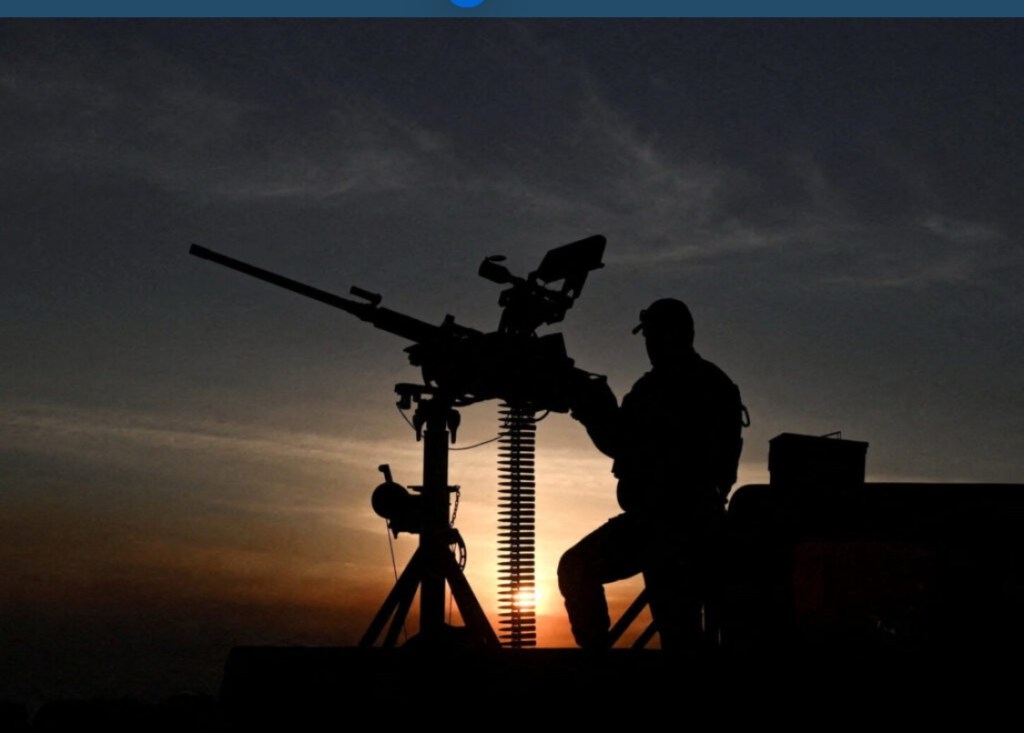
About two months before a mortar killed him, 19-year-old Ukrainian soldier Daniel shared a cigarette with me in a trench in eastern Ukraine. On that hot June afternoon, with small arms fire rattling in the background, he told me why he’d volunteered to go to war. “We are fighting for our homes and for our land,” he said. “Ukraine is a free country, and when Russia invaded I had no other choice. I had to fight.”
Four months later, 77-year-old Jampa Choejor offered me a cup of masala chai at his home in the Jampaling Tibetan refugee settlement outside of Pokhara, Nepal. I was still slightly amped from the motorcycle ride it took to get there, an hour-long slalom course dodging cows and overloaded buses amid the free-for-all chaos of Nepal’s rural roads. As we sat with legs folded on yak skin blankets and sipped our tea, Choejor, a former Buddhist monk, explained his decision decades earlier to join Tibet’s guerrilla war against the Chinese invaders.
“When the Chinese came, they bullied, they killed,” Choejor said of China’s invasion of Tibet in the 1950s. “There was no freedom, no religion. After so many brutal acts, there was no way to stay silent. We couldn’t stay living like that. We suffered. But there was no other choice. We had to fight back.”
When it comes to their culture, history, and geography, Tibet and Ukraine appear to have few things in common. But scratch beneath the surface and you’ll find many surprising similarities, including the fact that when neighboring empires invaded their homelands, the Tibetan and Ukrainian nations summoned a devotion to their freedom and an unbreakable will to fight for it.
Beginning in the mid-1950s, Tibetan irregulars fought a decades-long insurgency against China’s occupation. It wasn’t until 1974, and at the Dalai Lama’s request, that they finally laid down their arms. The legacy of this armed resistance continues to inspire generations of Tibetans, both inside Tibet and in exile, to resist Chinese oppression in other, non-violent ways.
Likewise, Russia’s invasion of eastern Ukraine in 2014 spurred a nationwide resistance movement to take root, paving the way for Ukraine’s remarkable stand in February 2022. After more than three and a half years of full-scale war, Ukraine’s will to resist remains unbroken.
 Voice of Ukraine