From 1954 through early 1970, US and Chinese diplomats conducted 134 meetings, most of them in Warsaw. Their ostensible purpose was to build constructive relations between the two long-estranged nations. They failed to do so.
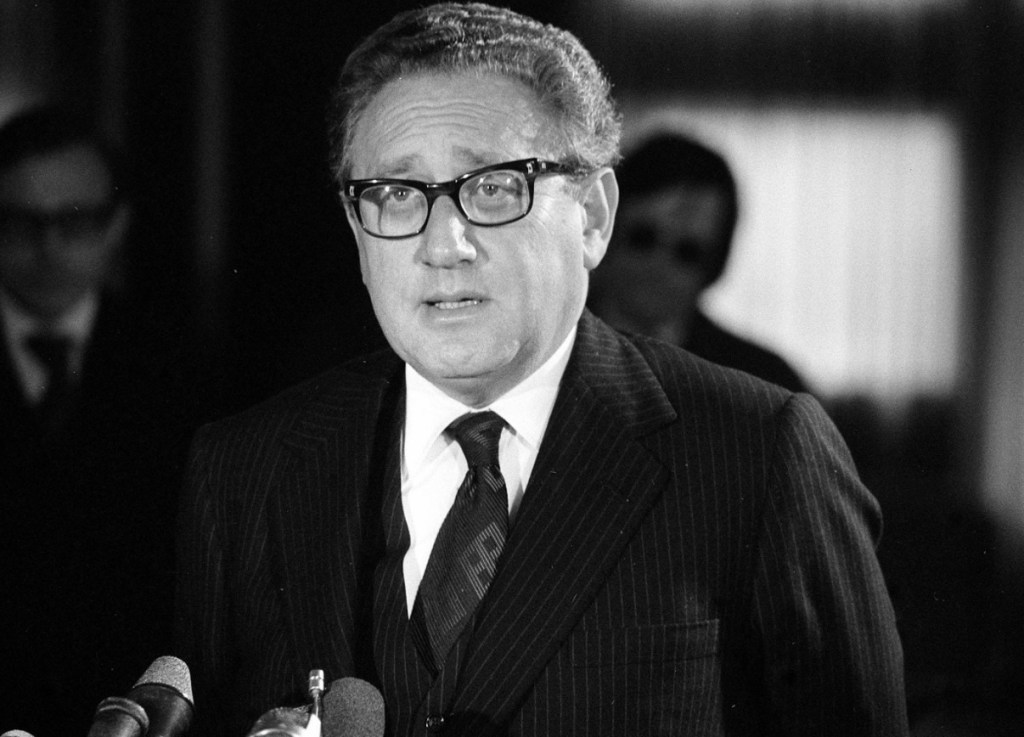
When I joined Henry Kissinger’s National Security Council staff in 1969, he was just beginning to focus on relations with China. Reviewing what the past fifteen years of diplomacy had produced, the statesman characterized this string of conversations as “sterile,” dubbing them the “longest continual talks that could not point to a single important achievement.”
Serious progress came only when Kissinger and Chinese Premier Zhou Enlai engaged in the process, after which US President Richard Nixon undertook his historic visit to China to meet with Chairman Mao Zedong and begin improving relations. There were, of course, still deep differences to be worked out, but there was also a will on both sides to try to resolve the differences.
I’ve been thinking about the fruitless fifteen years of talks that preceded the US rapprochement with China as I’ve observed the similarly unproductive process playing out between the United States and Russia now. This lack of progress is due largely to the Russian side: Moscow has made wildly unreasonable demands. Russian President Vladimir Putin has hypocritically talked about a desire for peace and then escalated attacks on Ukraine. And the Kremlin continues to deny the legitimacy of Ukrainian President Volodymyr Zelenskyy and the Ukrainian government. But the lack of real progress is also due in part to an often tepid and unclear US response regarding new sanctions against Russia and new sales of advanced arms to Ukraine.
From his actions and the tenor of his rhetoric, one can surmise that Putin has no intention to negotiate a constructive outcome at this time. He is using these talks as an excuse for delay, while he attempts to seize more Ukrainian territory, discredit the Ukrainian government, divide the West, and weaken NATO, hoping that the United States will lose interest and resolve in supporting Kyiv. Since his talks with US President Donald Trump in Alaska in June, Putin has only stepped up his attacks against Ukraine.
 Voice of Ukraine