As reports of cracks in Russia’s wartime economy continue to mount, Ukrainian President Volodymyr Zelenskyy is now predicting that the Kremlin will face an unprecedented budget deficit of around $100 billion in 2026. The Ukrainian leader is far from alone in forecasting more economic pain in the pipeline for Russian dictator Vladimir Putin. US President Donald Trump has recent stated that the Russian economy is “going to collapse” unless Putin ends the invasion of Ukraine.
This is not the first time since the start of the full-scale invasion that Russia has faced major budgetary strains. In 2022, the Kremlin’s urgent need to cover rising military expenditures forced it to resort to improvised measures such as windfall taxes on the energy and banking sectors. A surge in commodity prices then helped cover Russia’s ballooning defense budget, while mobilization and additional recruitment in 2023 and 2024 were financed mainly through municipal and regional budgets, along with minor tax hikes.
For much of the past three and a half years, international attention has focused on Russia’s apparent success in overcoming the impact of sanctions, along with the Kremlin’s ability to maintain modest GDP growth while transitioning to wartime conditions. However, the economic strain of the ongoing invasion is now becoming increasingly hard to disguise.
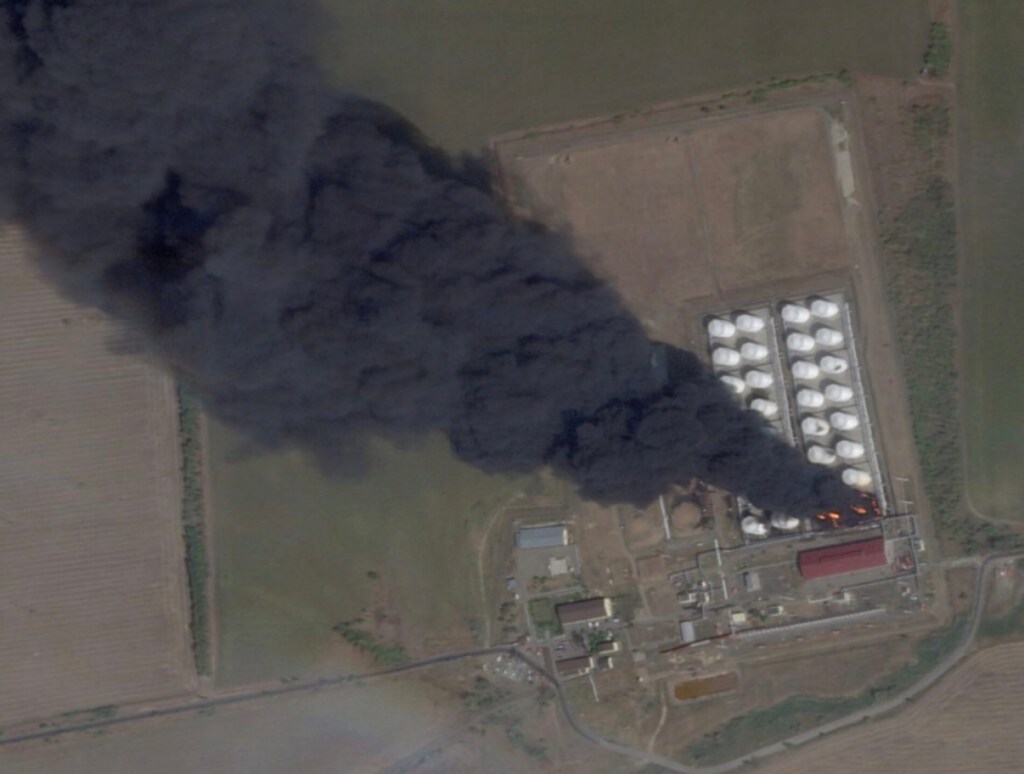
Russia’s deepening economic difficulties have been exacerbated by a highly effective Ukrainian campaign of long-range air strikes targeting the oil and gas industry that fuels Putin’s war machine. Since August 2025, Ukraine has launched a large-scale air offensive against oil refineries, gas processing plants, fuel depots, pipelines, logistics hubs, and export terminals across the Russian Federation. This has contributed to a sharp drop in Russian energy export revenues and led to spikes in fuel prices for domestic consumers. In recent months, fuel shortages have been reported in regions throughout Russia, with car owners forced to queue for hours in search of limited supplies.
 Voice of Ukraine