From: Transform Ukraine By Douglas Landro / October 25, 2025
In Windsor Castle, Zelensky secured Europe’s long-term support. In Pokrovsk, Russian forces pushed into the city center through streets of rubble. In Kherson, artillery rained down in the worst bombardment in months. The 1,339th day of war—when diplomacy and destruction happened in parallel universes.
The Day’s Reckoning
The contrast was almost absurd.
In Windsor Castle, Zelensky stood beside King Charles III as European leaders pledged Tomahawk missiles and long-term security guarantees. In Washington, Russia’s economic negotiator landed at Dulles carrying Moscow’s maximalist demands dressed as peace proposals. In Pokrovsk, Russian tanks ground through the city center, crushing rubble beneath their treads. In Kherson, artillery killed two civilians and wounded twenty-one in one of the worst bombardments in months.
Putin threatened a “stunning response” to Tomahawk deliveries. His spokesman blamed Ukraine for the “protracted pause” in negotiations. The Central Bank lowered interest rates for the fourth time since June, pretending monetary policy could fix an economy bleeding into defense spending.
Ukrainian forces answered differently. Near Kupyansk and Lyman, mechanized assaults recaptured villages. In Stavropol, Ukrainian intelligence eliminated three Russian soldiers. At Ryazan, Ukrainian strikes halted refinery operations. Across the front, Ukrainian defenders destroyed dozens of Russian armored vehicles.
Day 1,339. Two wars happening simultaneously—diplomats proposing ceasefires in capitals while artillery leveled cities and tanks crushed streets. The question wasn’t which reality was real. Both were. The question was which would ultimately matter more: promises made in palaces, or blood spilled in rubble.
Nobody knew. So, diplomats kept talking, tanks kept rolling, and artillery kept firing.
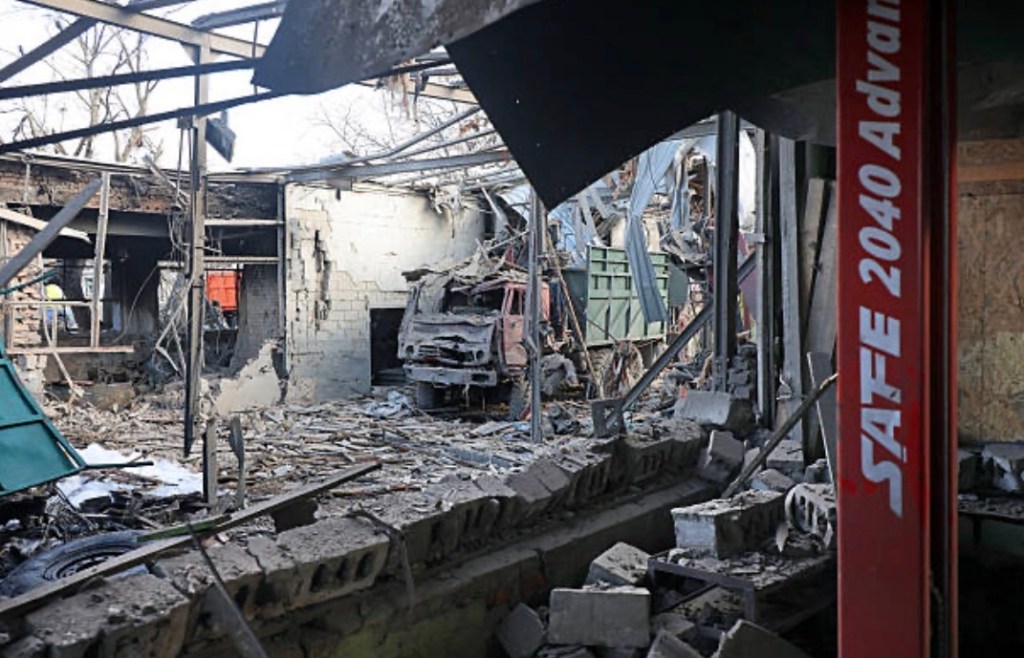
Into Pokrovsk’s Bones
The geolocated footage confirmed what Ukrainian defenders had been reporting for days: Russian infantry were inside Pokrovsk. Not just probing the edges—inside. Central and western districts. Positions along the railway line bisecting the city. Small groups that had been operating for over a week, digging into buildings and basements south of the tracks.
But “inside” didn’t mean “control.”
Even Russian milbloggers couldn’t map the situation clearly. A Kremlin-affiliated source admitted it was impossible to determine where Russian forces actually maintained enduring positions. By military definition—the ability to prevent enemy use of terrain and create conditions for friendly operations—Russian forces controlled nothing in Pokrovsk. They just existed there. Isolated groups in cellars. Soldiers in bombed-out apartments. Infantry holding individual buildings while Ukrainian forces operated three blocks away.
The front line had dissolved into something more complex than red and blue lines on maps. It was porous, fluid, deadly. Ukrainian forces operated throughout Pokrovsk. Geolocated footage showed them striking a Russian position in the southeast after an infiltration attempt that gained nothing. Both sides were now conducting raids into each other’s nominal rear areas—the kind of fighting that happens when urban warfare shreds any concept of “front” and “rear.”
 Voice of Ukraine