From: Transform Ukraine By Douglas Landro / October 28, 2025
In Moscow, Kremlin officials accused Washington of blocking peace negotiations. In Ukrainian cities, 100 Russian drones hunted civilians through the night. In Geneva, UN investigators concluded Russia’s systematic attacks constituted crimes against humanity. The 1,342nd day of war—when diplomatic theater couldn’t hide Russia’s maximalist demands.
The Day’s Reckoning
Dmitry Peskov faced the press cameras in Moscow on the morning of October 27. US-Russian relations had reached a “minimum level,” the Kremlin spokesperson said. Other officials amplified the message throughout the day: Trump was blocking peace. Washington was the obstacle. Russia stood ready to negotiate.
That same night, 100 drones lifted off from Russian territory.
They launched from Kursk, Oryol, and Primorsko-Akhtarsk—Shahed drones mostly, the Iranian-designed weapons that made a distinctive buzzing sound Ukrainians had learned to recognize in the dark. Ukrainian air defense crews tracked them on radar screens, calculated intercepts, fired. Sixty-six drones fell from the sky in pieces.
Thirty-four kept flying.
They found Kharkiv, struck residential areas where people slept. They hit energy infrastructure in Sumy, plunging neighborhoods into darkness. In Kyiv, a Shahed found the Idealist Coffee roastery around 5:30 AM—a small facility where workers roasted beans, where the smell of fresh coffee normally filled the morning air. The explosion tore through the structure. Fire spread quickly through warehouse spaces filled with coffee and packaging materials.
Two people died in the flames. Twenty-one more were wounded, pulled from wreckage by emergency responders working through smoke and falling debris. The building burned into the morning, black smoke rising over residential Kyiv.
Russia called this readiness for peace.
In Washington, Trump dismissed Putin’s nuclear theater. Putin should end the war instead of testing missiles, the president said. The United States had a submarine stationed close to Russia “that does not have to go 8,000 miles.”
That evening in Moscow, Vladimir Putin sat at his desk and signed Federal Law No. 424-FZ, withdrawing Russia from the Plutonium Management and Disposition Agreement. The 2000 pact had committed both countries to dispose of 34 tons of weapons-grade plutonium—enough for thousands of nuclear warheads. Dmitry Medvedev posted congratulations to “Russia’s friends” on social media. Other officials issued barely veiled threats about deploying Burevestnik missiles against North America.
One of the last post-Cold War nuclear arms control agreements simply ceased to exist.
Near Pokrovsk, Russian assault groups infiltrated Ukrainian lines while Ukrainian forces simultaneously pushed into Russian-held territory near Hulyaipole. Front lines dissolved into overlapping zones. Ukrainian forces breached a dam near Belgorod, flooding Russian positions. Strikes destroyed fuel depots in occupied Luhansk. Poland arrested Ukrainian citizens working as Russian spies. Italy ordered extradition in the Nord Stream case. Hungary’s Orban prepared to ask Trump for sanctions exemptions.
In Geneva, UN investigators released their findings: Russia’s systematic drone attacks on Ukrainian civilians constituted crimes against humanity.
In Moscow, Alexei Chepa explained Russia’s actual ceasefire terms. Ukraine must withdraw from four oblasts Russia didn’t fully control. The West must stop weapons supplies. Only then would Russia consider stopping its attacks.
It was the 1,342nd day of the war. Russia blamed others while launching drones at sleeping cities. Moscow spoke of peace while withdrawing from arms control and issuing nuclear threats. The only honest statement came not from the Kremlin but from the flames still burning in a Kyiv coffee roastery at dawn.
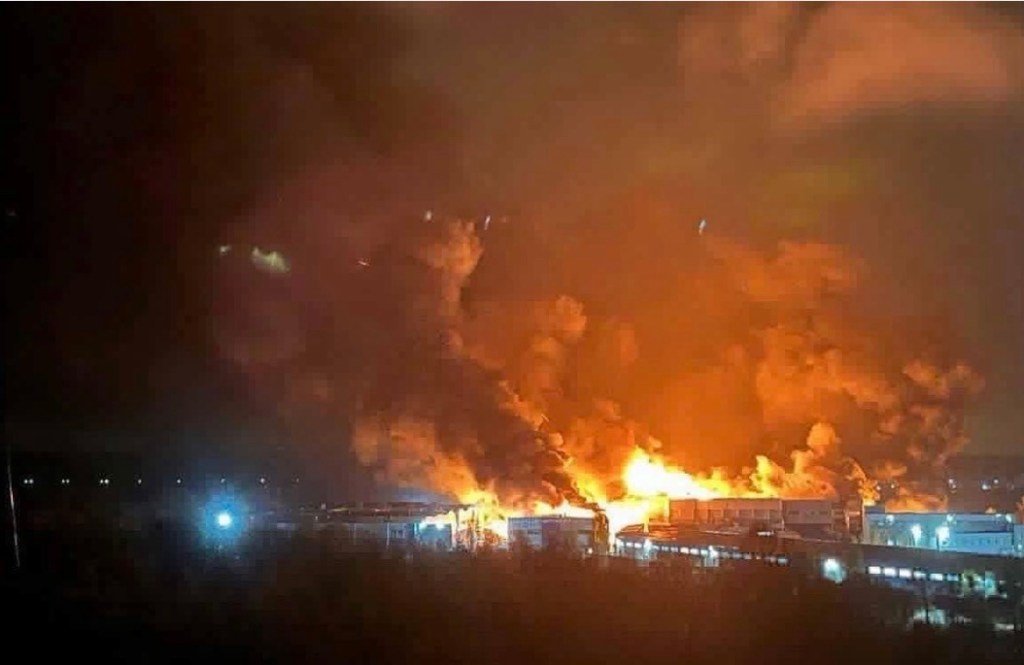
Moscow’s Blame Game: When “Peace” Means Surrender
The message moved through Russian state media like a coordinated strike. Dmitry Peskov told reporters that US-Russian relations had reached a “minimum level.” Alexei Chepa, First Deputy Head of the State Duma International Affairs Committee, blamed Ukrainian pressure for changing Washington’s position. Political observer Dmitry Trenin told Kommersant that Trump wasn’t interested in peace. Commentator Vadim Trukhachev accused European states in Izvestia of sabotaging a potential Trump-Putin meeting in Budapest.
 Voice of Ukraine