From: Transform Ukraine By Douglas Landro / October 30, 2025
As Russian soldiers donned civilian clothes to melt into neighborhoods and Britain’s spy turned traitor in Kyiv, Ukraine struck back at the empire’s refineries while the world debated oil, interest rates, and how much territory conquest should buy.
THE DAY’S RECKONING
October 29 began with a city coming apart.
Not from artillery. Not from tanks battering walls. From something quieter and more insidious: two hundred Russian soldiers, maybe more, who had walked through Ukrainian lines dressed as civilians and were now hunting in Pokrovsk’s southern neighborhoods.
They moved through burned-out buildings. They ambushed Ukrainian drone crews. They wore stolen clothes and carried automatic weapons, turning a conventional defense into urban counterinsurgency. Ukrainian commanders spoke carefully about “isolated groups” and “clearing operations,” but the truth was visible in geolocated footage: Russian flags at the city’s western entrance. Three-sided encirclement. A supply corridor barely three kilometers wide, raked by drones every hour.
Pokrovsk wasn’t falling the way cities usually fall. It was dissolving from within.
While Ukrainian forces fought building to building in Donetsk, their drones were crossing a thousand kilometers of Russian airspace. Overnight, three major strikes: oil refineries in Ulyanovsk and Mari El, a massive gas processing plant in Stavropol. Fires consuming the infrastructure that fuels Putin’s war machine. At the same time, Security Service operatives destroyed a $20 million Russian air defense system in Crimea and eliminated a Rosgvardia officer implicated in the Bucha massacres three years ago.
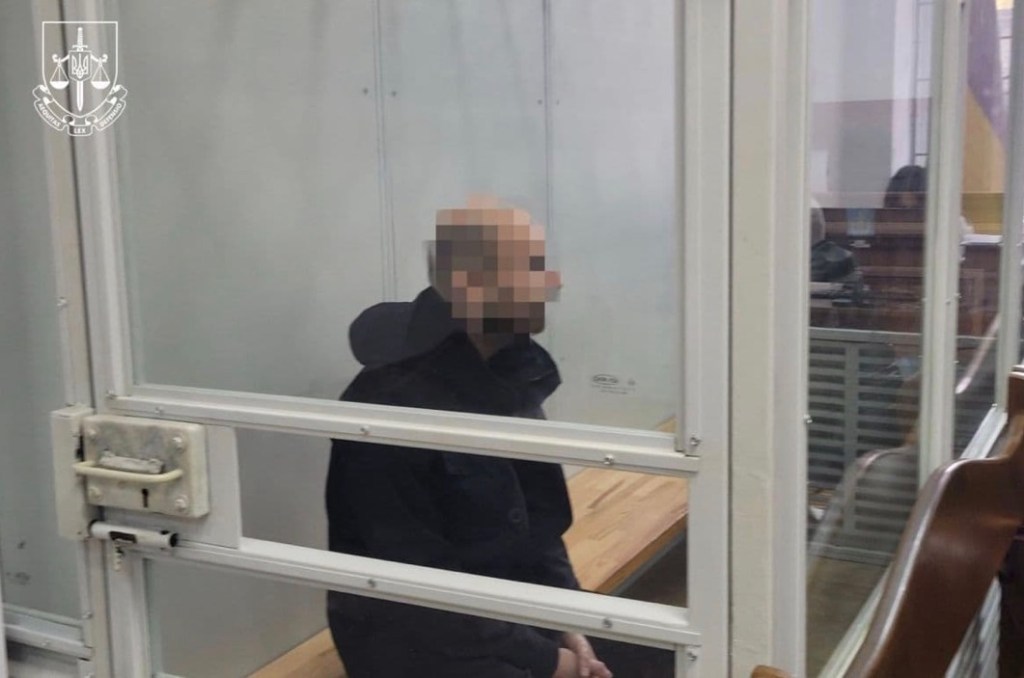
Then came the arrest that surprised everyone: a British citizen, former military instructor in Ukraine, caught preparing terrorist attacks for Moscow. “Easy earnings,” prosecutors said he’d called it. He’d come to help Ukraine and switched sides for money.
In Washington, Trump’s sanctions on Rosneft and Lukoil were sending tremors through global energy markets. India’s largest refineries announced plans to cut Russian purchases to nearly zero. Chinese state firms suspended imports. Whether the pressure would hold was another question—Russia had spent years perfecting the shadow fleet—but for now, the two countries that buy 85% of Russia’s oil exports were reconsidering.
And in Ukraine’s own capital, economists were debating interest rates on Facebook. The National Bank held rates at 15.5% despite inflation falling faster than forecast. Former officials accused current officials of “hidden motives.” Current officials shot back about gas production losses and defense spending. Even monetary policy had become inseparable from the war.
October 29: infiltration and extraction, refineries burning and currencies holding, propaganda victories masking tactical disasters. A day when every dimension of the war—military, economic, covert—converged to show how far from resolution this conflict remains.
The Ghosts Who Walk Through Walls
October 19: civilians shot dead near Pokrovsk’s railway station, kilometers behind what anyone thought was the front line. The 7th Rapid Reaction Corps posted drone strike footage, claimed the threat eliminated.
More kept coming.
They walked. Ten to fifteen kilometers on foot through orchards and forest belts at night, slipping between Ukrainian positions in groups of two or three. No vehicles. No supply lines. Just infantry with automatic weapons, avoiding fortified strongpoints entirely. By October 27, around 200 Russian soldiers had accumulated inside the city.
 Voice of Ukraine