From: Transform Ukraine By Douglas Landro / October 31, 2025
As Moscow unleashed its largest energy assault of the war to plunge Ukraine into winter blackouts, Kyiv struck back—igniting Russian power plants, oil refineries, and Putin’s illusion that his infrastructure was untouchable.
The Day’s Reckoning
The night of October 29-30 began with engines—653 of them, spread across the sky like mechanical locusts. Add 52 missiles of various types. 705 projectiles total, all aimed at one target: the infrastructure that keeps Ukrainians warm, lit, and alive as winter closes in.
By dawn, the damage was catastrophic. Thermal power plants burned in multiple oblasts. A seven-year-old girl in Vinnytsia became the day’s youngest fatality. In Zaporizhzhia, residential towers collapsed into rubble, killing two and wounding twenty-seven, including six children. Emergency blackouts swept every oblast—a bureaucratic phrase that meant millions of Ukrainians woke to cold and darkness.
In Dnipropetrovsk, 192 miners found themselves trapped beneath the earth while flames consumed their workplace above. For hours they waited in absolute darkness, listening to distant explosions, calculating oxygen, wondering if rescue would arrive before collapse.
Russia’s strategy was transparent: if bullets and tanks couldn’t break Ukraine, maybe winter would.
Ukraine’s answer came before Moscow’s bombers had even landed.
In Oryol Oblast, surveillance cameras captured two massive explosions tearing through the region’s largest thermal power plant. The city went dark. Governor Klychkov claimed intercepted drone debris caused the damage—the standard lie when air defenses fail completely.
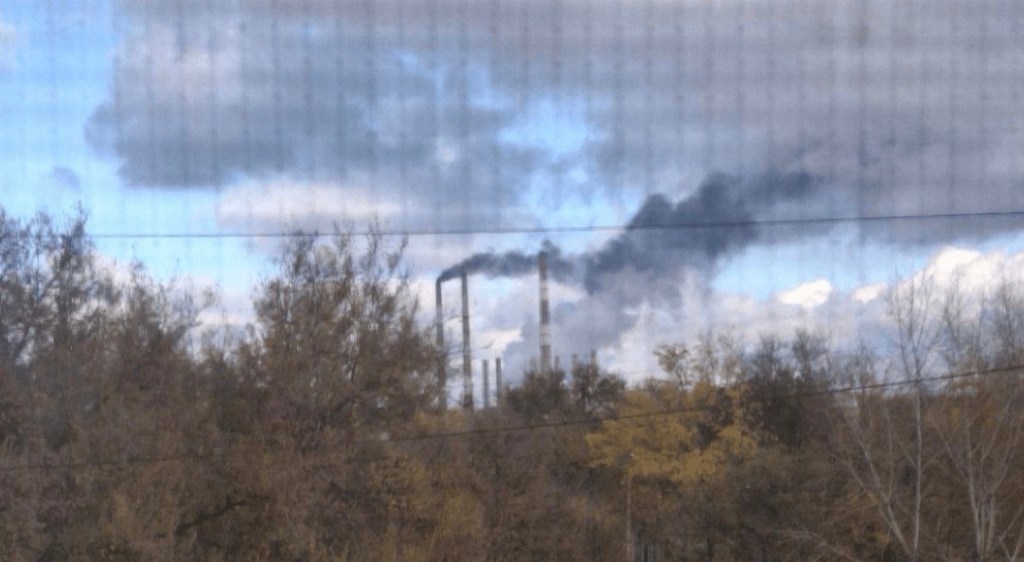
In Vladimir, a critical electrical substation with 4,010 MVA capacity erupted in flames. In Yaroslavl, the Novo-Yaroslavsky oil refinery—Russia’s fifth-largest, processing fifteen million tons annually—burned through the night. In occupied Luhansk, another power plant collapsed into blackout.
The pattern was unmistakable: Ukraine wasn’t just defending anymore. It was making Russia pay the same price in darkness and cold that Moscow tried to impose.
Meanwhile, diplomatic theater played out on multiple continents. Trump ordered America’s first nuclear weapons tests since 1992, then met Xi Jinping in Seoul where both promised to “help” end the war—though neither specified how. Poland’s jets chased Russian reconnaissance planes for the second time in three days. Ukraine closed its Havana embassy after discovering over a thousand Cubans fighting for Russia.
And in Pokrovsk, Russian forces pushed deeper into the city while Putin staged a propaganda stunt offering journalists “safe passage” to witness encirclements that military analysts confirmed didn’t exist.
October 30 revealed the war’s new equation: whoever controlled energy infrastructure controlled survival. Russia bet it could destroy Ukraine’s power grid faster than Ukraine could strike back. By nightfall, Russian refineries and power plants burning hundreds of kilometers from any front line suggested Moscow had miscalculated badly.
The race against winter was on. And both sides now understood that staying warm meant making the other side freeze.
Seven Hundred Five: The Arithmetic of Apocalypse
The assault began at 2:47 a.m. from launch sites stretching across half a continent. Millerovo. Rostov. Kursk. Oryol. Smolensk. Primorsko-Akhtarsk. Occupied Crimea. Russian forces hurled everything skyward.
 Voice of Ukraine