The blueprint existed. The funding existed. What happened instead reveals an institutional collapse more damaging than Russian missiles alone.
From: Euromaiden Press BY MAXIM VOLOVICH

Kyiv residents endure 12-16 hour blackouts this winter—but the darkness was avoidable. Ukraine had proven grid protection works: under former Ukrenergo chief Volodymyr Kudrytskyi, 60 concrete shelters defended critical transformers, and nearly all survived repeated Russian strikes. But this success was not replicated across Ukraine’s energy sector.
On 10 November 2025, Ukraine’s National Anti-Corruption Bureau exposed systematic corruption at state nuclear operator Energoatom—1,000 hours of surveillance recordings documenting officials organizing 10-15% kickbacks while zero protective shelters were built at their facilities through autumn 2024.
Simultaneously, Kudrytskyi—who had secured €1.5 billion in Western aid for grid defense—faced fraud charges over a 2018 fence project where the state lost nothing.
The political prosecution triggered a predictable response: Western donors withdrew, international funding collapsed to 5-10% of previous levels, and critical infrastructure went unprotected.
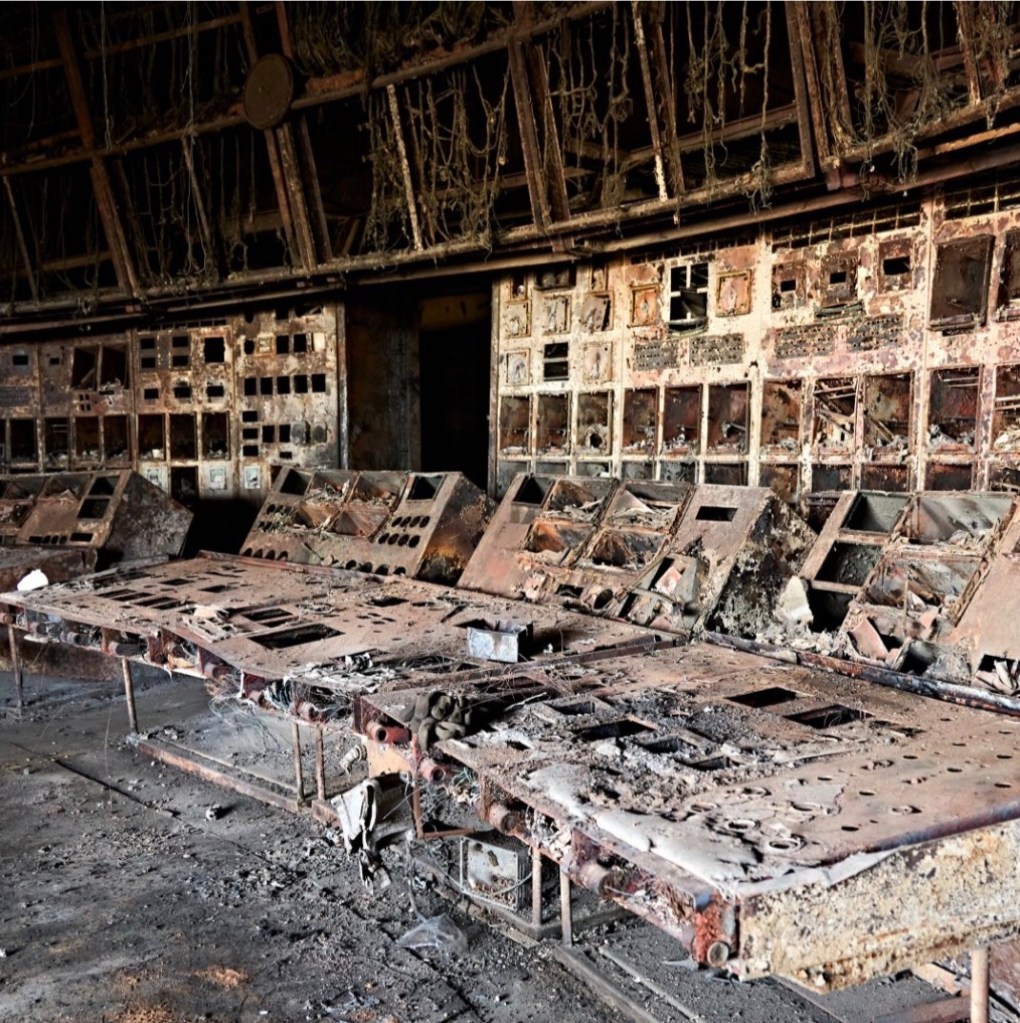
The convergence proved catastrophic. At Ukrenergo’s protected sites, transformers survived Russian attacks. At Energoatom’s unprotected substations and thermal plants, missiles found easy targets.
Current blackouts stem from this dual institutional failure: corruption preventing infrastructure protection, political vendetta destroying donor confidence. Ukraine built the solution, proved it worked, then officials chose kickbacks over replication—and prosecuted the executive who delivered results.
Why this matters
The combined effect of corruption and political persecution deepened Ukraine’s energy crisis by shutting down the main channel of Western financial support. International aid through Ukrenergo dropped to just 5-10% of previous levels after Kudrytskyi’s September 2024 dismissal—from €1.5 billion over 18 months to a trickle.
Meanwhile, zero protective shelters were built for transformers at Energoatom, thermal power plants, and regional energy companies until autumn 2024, despite Ukrenergo completing approximately 60 such structures at its own facilities by September.
 Voice of Ukraine