US President Donald Trump’s latest bid to broker a deal between Russia and Ukraine has sparked a flurry of diplomatic activity in recent days, with officials from Washington, Kyiv, Moscow, and across Europe all seeking to shape the contours of a possible agreement. For now, discussion has centered on immediate matters, such as the wording of security guarantees. However, the far deeper historical roots that have long driven Russian violence against Ukraine also hold important policy implications for any peace process.
Given Moscow’s enduring ideological extremism toward Ukraine, renewed attempts at hidden and open warfare are likely. For this reason, the lasting success of Trump’s plan will depend not only on its terms, but on the strength and logistics of the enforcement measures that accompany it.
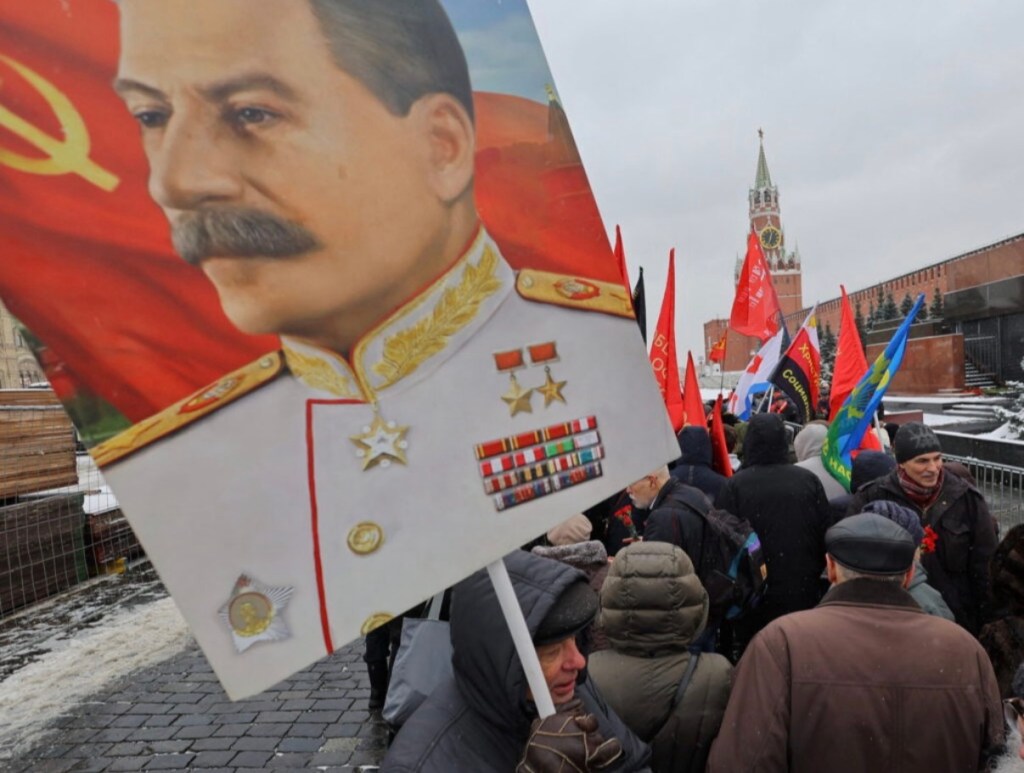
Moscow’s current aggression against Ukraine is neither new nor unprecedented. It is, in fact, the latest iteration of a centuries-long Russian campaign to Russify and erase the Ukrainian people. From Peter the Great to Stalin and Putin, generations of Russian tyrants have directed violence at Ukrainians in ways that are deliberate, systematic, and filled with an ideological fervor that must be confronted.
Every city the Russian military bombs, every child it kidnaps, every Ukrainian life it destroys today can only be understood within the long genealogy of Russia’s imperialisticstate ideology. For centuries, this violent brand of expansionism has been directed at Ukraine.
 Voice of Ukraine