The recent Hollywood movie “Nuremberg” provided a timely reminder of the role played by Soviet consent in the creation and legitimacy of the International Military Tribunal established to prosecute Nazi leaders after World War II. The broad outlines of the tribunal had been agreed before the end of the war during the February 1945 Yalta Conference, with both Churchill and Roosevelt noting Stalin’s readiness to support the initiative.
The Soviet leader’s stance should probably not have come as such a surprise. His apparent enthusiasm for prosecuting Germany’s wartime leadership was not a reflection of faith in international justice or the rule of law, but due to his own personal experience with show trials during the 1930s. For Stalin, the trial of the Nazis was another political performance with a preordained outcome.
Several generations later, the Kremlin’s attitude appears to have changed little. Russian President Vladimir Putin stands accused of imprisoning his domestic opponents on politically motivated charges, but regards any attempt to hold Russia legally accountable for the invasion of Ukraine as unacceptable. This includes the efforts of Ukraine and its allies to create a Special Tribunal for the crime of aggression, and extends to investigations conducted by the International Criminal Court in The Hague.
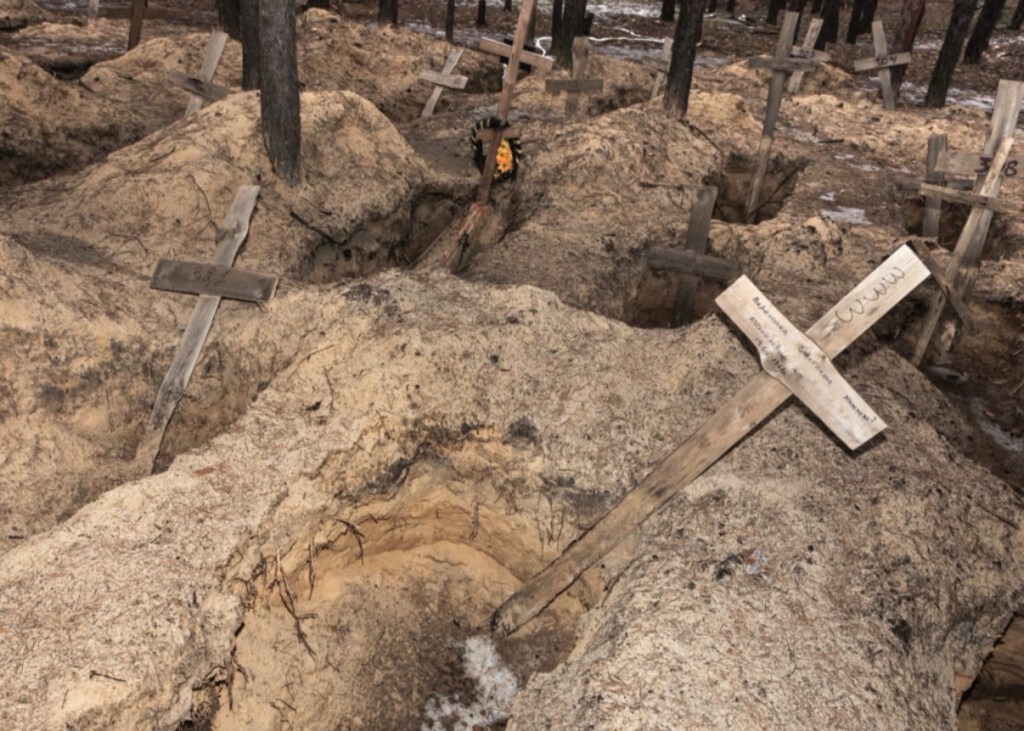
One of the most striking provisions in US President Donald Trump’s recently unveiled 28-point Ukraine peace plan was a full amnesty for all parties for their actions during the war in Ukraine and an agreement not to make any claims or consider any complaints in future. While Trump’s initial plan has already been subject to multiple revisions, the idea of a blanket amnesty has sparked alarm and outrage among Ukrainians, with critics viewing it as a move to pardon all Russians responsible for war crimes in Ukraine.
The Trump peace plan first emerged just days after a Russian missile strike on a residential building in Ternopil that killed more than thirty people including seven children. Many Ukrainians recalled this attack following the publication of Trump’s plan, noting that it served to highlight the injustice of offering an amnesty for the vast quantity of crimes committed since the start of the full-scale invasion almost four years ago.
 Voice of Ukraine