From: Transform Ukraine By Douglas Landro / December 21, 2025
As Russian diplomats met U.S. envoys in Miami, Ukraine answered on the battlefield—obliterating fighter jets in Crimea while Russian missiles turned a civilian bus in Odesa into a mass-casualty scene.
The Day’s Reckoning
On December 20, 2025, the war delivered its reckoning with unforgiving clarity. In Miami, Russian negotiator Kirill Dmitriev sat across from American envoys Steve Witkoff and Jared Kushner, speaking the language of diplomacy, while on the ground Ukraine spoke in fire and steel. Ukrainian drones obliterated Russian Su-27 fighter jets at Belbek Airbase in occupied Crimea. In Odesa, rescue workers pulled bodies from a shattered bus at the center of a Russian missile strike on port infrastructure. In Kyiv, President Volodymyr Zelensky rejected U.S.-backed proposals for Ukrainian troop withdrawals and signaled change by moving to replace his Southern Air Command chief. Far beyond Ukraine’s borders, Ukrainian Special Operations Forces struck a Russian patrol vessel in the Caspian Sea, proving distance no longer guaranteed safety.
This was the 1,396th day of a war waged in two irreconcilable realities: one of conference rooms, ceasefire frameworks, and “free economic zones,” and another of burned aircraft, shattered civilians, and drones reaching farther than anyone thought possible. The day offered no synthesis between those worlds—only a reckoning that diplomacy and destruction were advancing side by side, neither yet powerful enough to end the other.
Across the Table, an Ocean Away from the War
Miami’s palm-lined calm made an uneasy stage for a war still burning. When Kirill Dmitriev arrived, there were no flags lowered, no ceasefire silencing the guns—only conference rooms and careful words. Russia’s chief investment executive and Kremlin envoy sat down with American intermediaries Steve Witkoff and Jared Kushner, calling the talks “constructive,” even as the fighting that framed them showed no sign of pause.
Outside the meetings, Dmitriev confirmed the conversations would continue. What he also confirmed—quietly but decisively—was what would not happen: there would be no Ukrainians at the table. The negotiations moved instead in relay, envoys shuttling between sides that refused to face each other directly. It was diplomacy by distance, shaped by the reality that Moscow and Kyiv were not speaking the same language about what peace even meant.
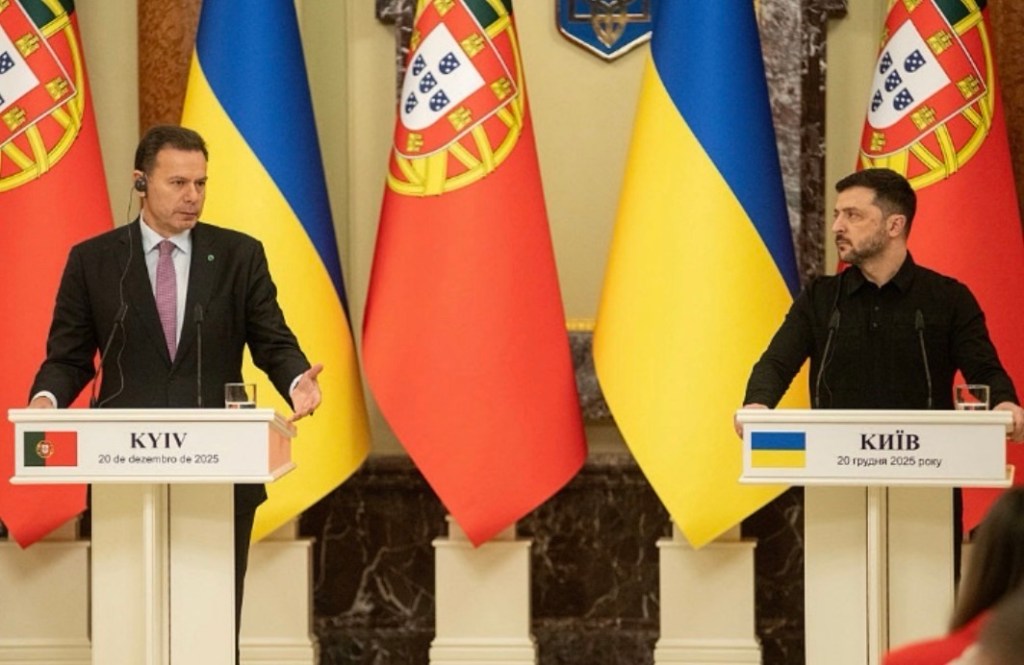
As the talks unfolded, President Volodymyr Zelensky seized the moment to redirect the narrative. Peace, he insisted, could not be separated from legitimacy. He said Ukraine was prepared to hold presidential elections—but only if they could be real: soldiers voting from the front, international observers watching closely, and at least a temporary ceasefire to make democracy possible. Behind the scenes, Ukraine’s Foreign Ministry worked on the logistics of giving millions of displaced citizens abroad a voice.
 Voice of Ukraine