From: Transform Ukraine By Douglas Landro / April 4, 2025
As diplomatic games continue, real human costs mount when Russian drones shatter families and transform distant headlines into intimate grief
Summary of the Day – April 4, 2025
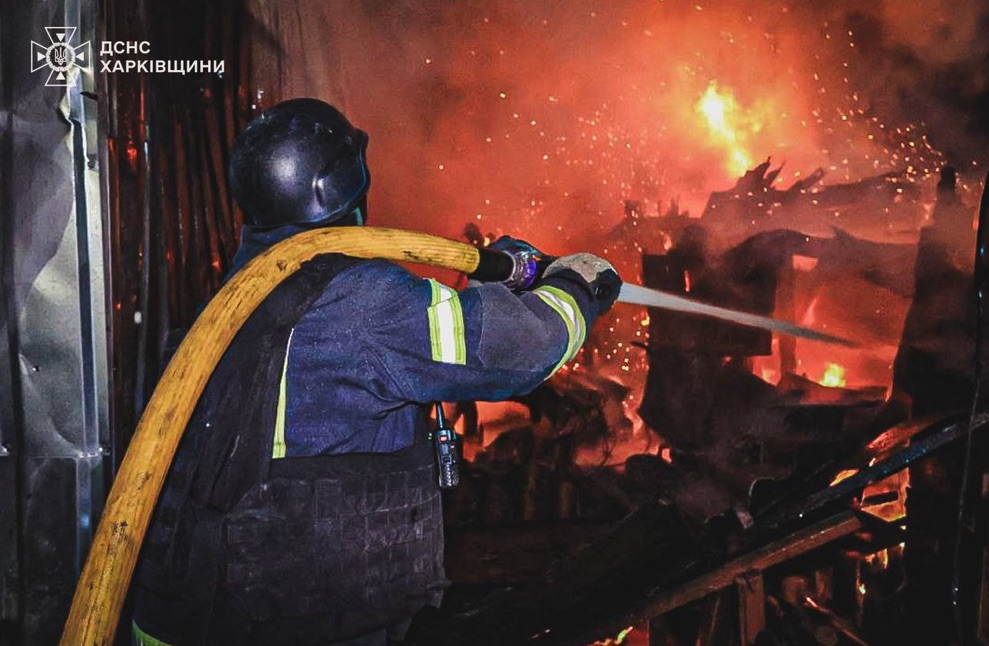
The abstract horrors of war became devastatingly concrete yesterday when Marina’s cousin perished in a Russian drone strike on Kharkiv that killed four civilians and wounded 35 others. Late-night explosions tore through a residential building in the city’s Novobavarskyi district, transforming homes into rubble and adding to the growing toll of civilian casualties. Meanwhile, as families mourned their dead, Russian negotiator Kirill Dmitriev emerged from White House meetings claiming “significant progress” toward a ceasefire. This jarring disconnect between diplomatic rhetoric and ground reality intensified as Presidential Office Deputy Pavlo Palisa revealed Russia’s plans to increase its Ukraine grouping by 150,000 troops—equivalent to 15 motorized infantry divisions. In Brussels, U.S. Defense Secretary Pete Hegseth’s announced absence from next week’s Ramstein summit marks the first time an American defense chief will skip the critical Ukraine support coordination meeting, signaling shifting priorities as European leaders take increasingly assertive steps to fill the vacuum.
Personal Tragedy in Kharkiv: When War Visits Your Family
“Russian drones attacked one of the districts of Kharkiv. As a result of strikes at residential buildings and an administrative building, four fires broke out,” Ukraine’s state emergency service reported.
Mayor Ihor Terekhov confirmed that rescue workers recovered a fourth body from the rubble in the early hours of April 4. The attack came as Russian forces continue to target Ukrainian cities with drones, missiles, and guided bombs despite ongoing peace talks and a partial “ceasefire” that was supposed to preclude attacks on energy facilities.
This tragedy underscores how the war that has raged for over three years continues to claim innocent lives daily. For many observers, each civilian death represents a statistic, but for the families left behind, each loss is a deeply personal catastrophe that permanently alters their lives.
 Voice of Ukraine