From: Transform Ukraine By Douglas Landro / December 11, 2025
As the Kremlin threatened military retaliation against European peacekeepers in Ukraine while Russian drones devastated seven oblasts, Trump told European leaders he needed “answers” before attending weekend peace talks—and Congress passed legislation constraining his ability to cut Ukraine aid or withdraw troops from Europe.
The Day’s Reckoning
Lavrov’s voice echoed through Moscow on December 10, threatening military retaliation against any European troops deployed to Ukraine. While he spoke, 80 Russian drones were already airborne, hunting Ukrainian power plants across seven oblasts in the coldest weeks of winter.
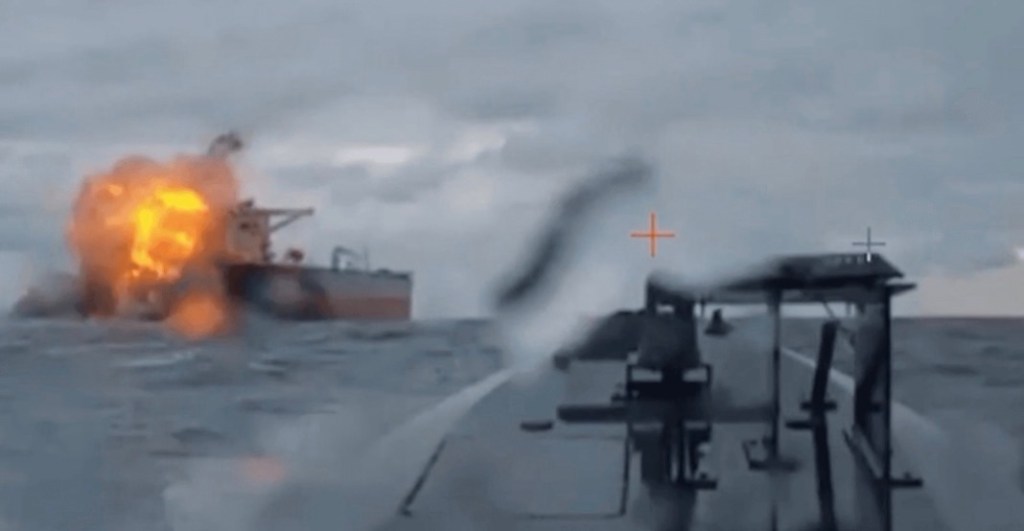
Ukrainian forces struck back. Thirty-one drones descended on Moscow itself—air raid sirens, explosions in suburbs, four airports grounding flights. In the Black Sea, Sea Baby drones found the Dashan, a shadow fleet tanker carrying $60 million in Russian oil. Two strikes. Fire at the stern. The fourth tanker crippled in two weeks.
In Washington, the House voted 312-112 for $900 billion in defense spending. Buried in the legislation: $400 million annually for Ukraine, prohibitions on troop withdrawals from Europe, requirements to notify Congress before restricting intelligence sharing with Kyiv. Trump couldn’t negotiate away American support even if he wanted to.
But Trump had conditions. “They would like us to go to a meeting over the weekend in Europe,” he told reporters. “We don’t want to be wasting time.” European leaders wanted him at peace talks with Zelensky. He wanted “answers” first.
The battlefield ground forward with familiar brutality. Russian forces seized Vovchansk Technical School, advanced in Kostyantynivka, pushed across rivers near Hulyaipole. Ukrainian defenders held Pokrovsk despite mechanized assaults that reintroduced armor after weeks of interdiction.
In Odesa, authorities detained another shadow fleet vessel. In Transnistria, Russian forces mobilized reservists and established drone production centers. In Kyiv, Zelensky met with Treasury Secretary Bessent, BlackRock CEO Fink, and Jared Kushner, planning reconstruction while artillery still pounded cities.
Day 1,386. War as kinetic combat, economic siege, diplomatic standoff, and investment opportunity—all happening simultaneously.
“We Will Target Them”: Moscow’s Ultimatum to Europe
Lavrov chose his words carefully. Russia had no intention of going to war with Europe, he said. Then came the threat: the Kremlin would respond to “any hostile steps”—specifically European military contingents in Ukraine and the seizure of frozen Russian assets.
The timing wasn’t accidental. Hours earlier, Zelensky had announced that U.S., Ukrainian, and European negotiators would soon discuss security guarantees at a security council-level meeting. Lavrov was drawing red lines before the meeting even happened.
Alexei Chepa, First Deputy Head of the State Duma’s International Affairs Committee, made the threat explicit. Russia would “deliberately target” any European military contingents deployed to Ukraine. Not intercept. Not deter. Target.
The message was aimed at European voters, not European governments. Every French mother, every German father would now hear their leaders explain why sending peacekeepers or trainers to Ukraine was worth their children becoming Russian military targets.
The irony was almost obscene. Russia had violated the 1994 Budapest Memorandum. Shredded the 2015 Minsk Accords. Spent nearly four years bombing Ukrainian cities. Now Moscow demanded veto power over Ukraine’s future security arrangements—the very sovereignty Russia claimed to respect.
For European security planners, Lavrov’s threat clarified the fundamental question: Would Ukraine’s security guarantees require Russian approval? If yes, Moscow would have exactly the influence over Ukrainian sovereignty that the war was supposedly preventing.
The Kremlin had drawn its line. European capitals now had to decide whether to cross it….